
Pride Month
It's time to celebrate because June, aka Pride Month, is officially here. For our LGBTQ+ friends, this is a time to celebrate who they are with pride and joy. It also symbolizes a moment of hope for a colourful and diverse world without hate and discrimination.
Here you will find information about the history of Pride Month, what the letters LGBTQ+ stand for, and what the rainbow flag actually means. And in case you are planning to join a pride parade or just show your pride at home, we've picked out a few items for you to create a rainbow outfit perfect for the occasion. Have fun reading, getting informed and inspired.
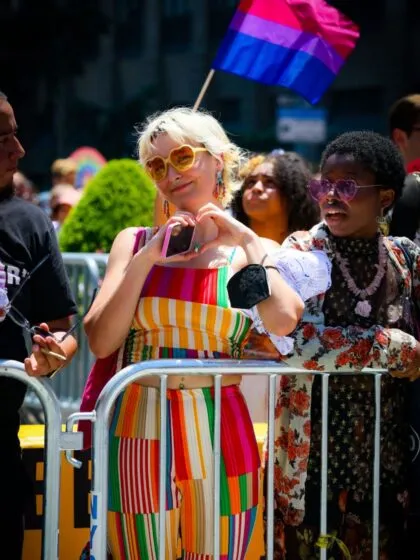

What is Pride Month? Pride Month is celebrated to commemorate the so-called Stonewall Riots that took place in June of 1969. These were a series of violent and unplanned demonstrations by the gay community of New York City in response to police raids. These riots, led by prominent gay rights activists such as Marcia P. Johnson, marked a major turning point in the modern LGBTQ+ rights movement. It was one of the first times in which homosexual and transsexual people demonstrated for their rights and publically condemned the discrimination and violence they suffered. One of the demonstrations escalated at the gay bar "Stonewall Inn" on Christopher Street - which is is now a landmark for LGBTQ+ history. In commemoration of the Stonewall uprising, the last Sunday in June was declared Gay Pride Day, and this was then gradually extended to Pride Month.
Today, Pride Month is also considered an important month to honor the LGBTQ+ community, and to strengthen the awareness for equality.
What does LGBTQ+ mean? The acronym stands for Lesbian Gay Bisexual Transsexual and Queer. The "plus" is seen as an all-encompassing representation of sexual orientations and gender identities. The rainbow flag is an international symbol for the LGBTQ+ movement. The colors reflect the diversity of the LGBTQ+ community and their spirit.
What do the colours in the rainbow flag stand for? American artist Gilbert Baker originally designed the flag in 1978 for the Gay Freedom Day in San Francisco, the forerunner of today's Pride festivities. Today the typical Pride flag is mainly known by its six colors, each representing a different aspect of human experience: red (for life), orange (for health), yellow (for sunlight), green (for nature), royal blue (for harmony), and violet (the spirit). The original eight color version, including pink (for sexuality) and turquoise (for art) is also common, while more versions have been added every year, to include people of color, trans individuals and those living with HIV/AIDS.
Life is too colorful to live in black and white. Stay proud and stay colorful!
about products and deals